<p>Global Fluid Isolation & Sealing Systems (FISS) is a specialized B2B intelligence portal focused on industrial sealing technologies, mechanical seals, hydraulic seals, specialty elastomers, FKM and FFKM materials, engine gaskets, flange sealing, subsea sealing systems, rubber extrusion, vulcanization machinery, and leakage-control solutions. The platform serves sealing manufacturers, petrochemical refineries, pump and compressor OEMs, semiconductor equipment suppliers, aerospace manufacturers, oil and gas operators, automotive engine producers, food and pharmaceutical equipment companies, procurement teams, exporters, investors, maintenance engineers, and environmental compliance professionals.</p><p>FISS covers the materials and systems that prevent leakage, protect equipment, isolate hazardous fluids, maintain pressure, and reduce unplanned downtime in high-risk industrial environments. Its main content areas include mechanical seals, dry gas seals, hydraulic seals, pump seals, silicon carbide seal faces, tungsten carbide seal faces, FKM O-rings, FFKM perfluoroelastomer seals, chemical-resistant seals, semiconductor etching seals, aerospace fuel seals, MLS engine gaskets, thermal barrier gaskets, ring joint gaskets, API flange sealing, H2S-resistant sealing, subsea oil and gas seals, rubber injection molding, microwave extrusion, vacuum vulcanization, continuous vulcanization lines, and polymer cross-linking processes.</p><p>The platform is designed to answer practical technical and commercial questions: how can mechanical seals prevent pump leakage at high speed, how can FFKM seals resist aggressive chemicals and high temperatures, how can engine gaskets withstand combustion pressure, how can subsea flange seals protect offshore assets, and how can vulcanization machinery improve elastomer consistency? FISS connects polymer chemistry, tribology, fluid isolation, pressure containment, emission control, thermal resistance, compliance standards, maintenance economics, and lifecycle ROI into one professional intelligence framework.</p><p>FISS provides industry news, technology analysis, compliance insight, supplier visibility, market trend reporting, application case interpretation, and digital authority-building content. It explains topics such as API 682 mechanical seal standards, zero-fugitive emissions, dry gas seal friction heat, FFKM carbon-fluorine bond stability, FKM thermal aging, MLS gasket sealing, API ring joint gaskets, H2S service, FDA and USP Class VI seal materials, rubber vulcanization, microwave curing, and downtime cost prevention.</p><p>For manufacturers and exporters, FISS provides a professional platform to communicate material performance, sealing reliability, compliance readiness, application cases, and export capability. For buyers and maintenance teams, it supports supplier evaluation, seal selection, failure analysis, compliance review, and unplanned downtime reduction.</p>

  • Intelligence Dimension

    
    • API 682 & FDA Sanitary Regs

    • Vulcanization & Anti-Corrosion

    • Micro-Parts CAPEX & Downtime TCO

  • Mechanical & Fluid Seals

    
    • Dry Gas & Cartridge Mechanical Seals

    • PU Hydraulic Piston/Wiper Seals

    • O-Rings & X-Rings for Pneumatics

  • FKM/FFKM Elastomers

    
    • Aerospace/Fab FFKM Elastomers

    • High-Temp FKM Rubber

    • Cryogenic Silicone for Hydrogen

  • Engine Gaskets & Barriers

    
    • MLS Cylinder Head Gaskets

    • Turbocharger Graphite Gaskets

    • Battery PACK Fireproof Silicones

  • Oil & Gas Flange Sealing

    
    • Subsea Ring Joint Gaskets

    • API Flange Insulation Kits

    • H2S-resistant Spiral Wound Gaskets

  • Vulcanization Machinery

    
    • Microwave Rubber Extrusion Lines

    • Vacuum Rubber Injection Molding

    • Cryogenic Deflashing Machines

Tagname : pressure containment

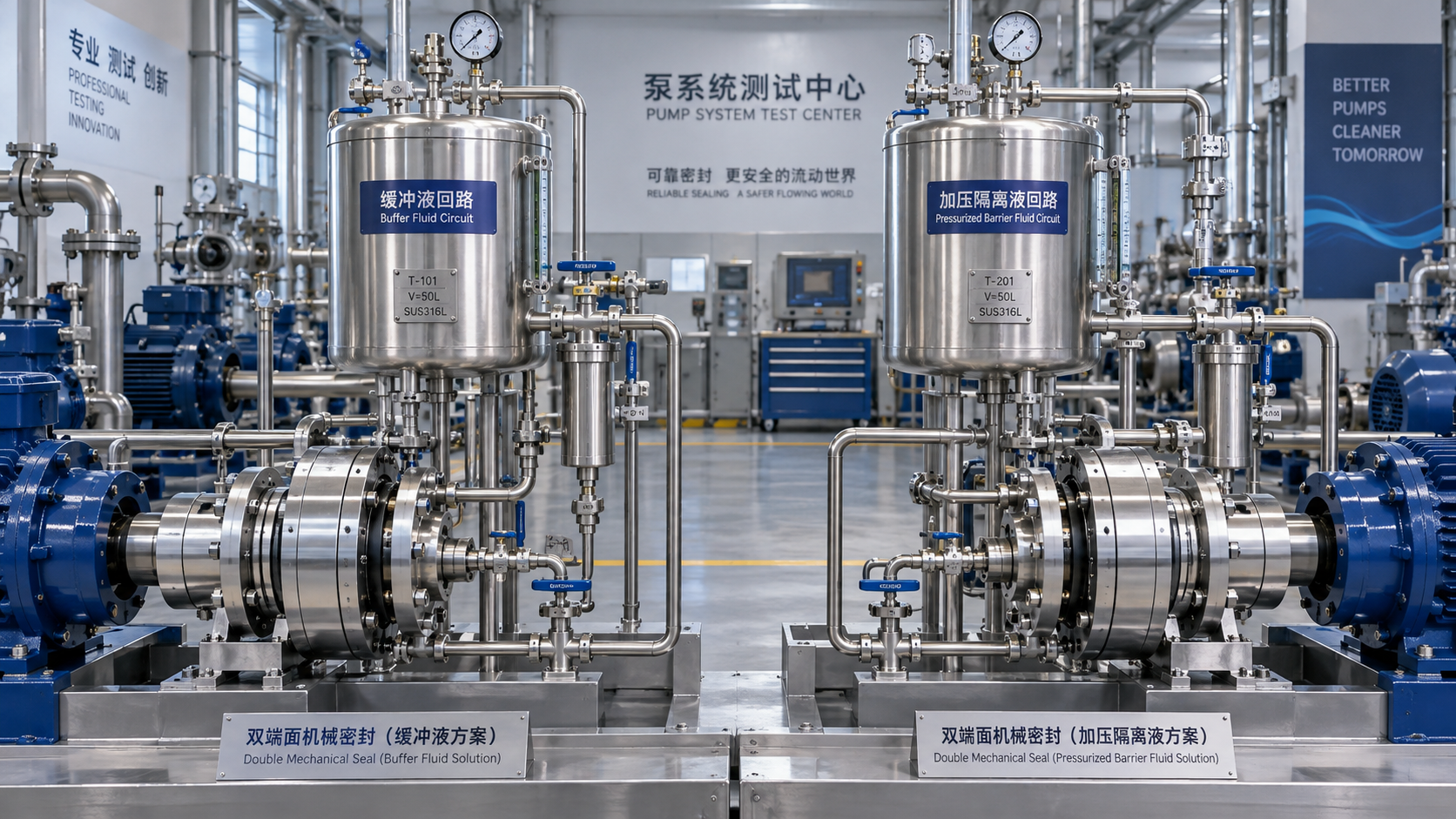
  • How do dry gas seals maintain a fluid film at high speeds?
    How do dry gas seals maintain a fluid film at high speeds?
    Fluid film sealing at high speed relies on gas pressure and precision grooves. Discover how dry gas seals maintain separation and what affects reliability.
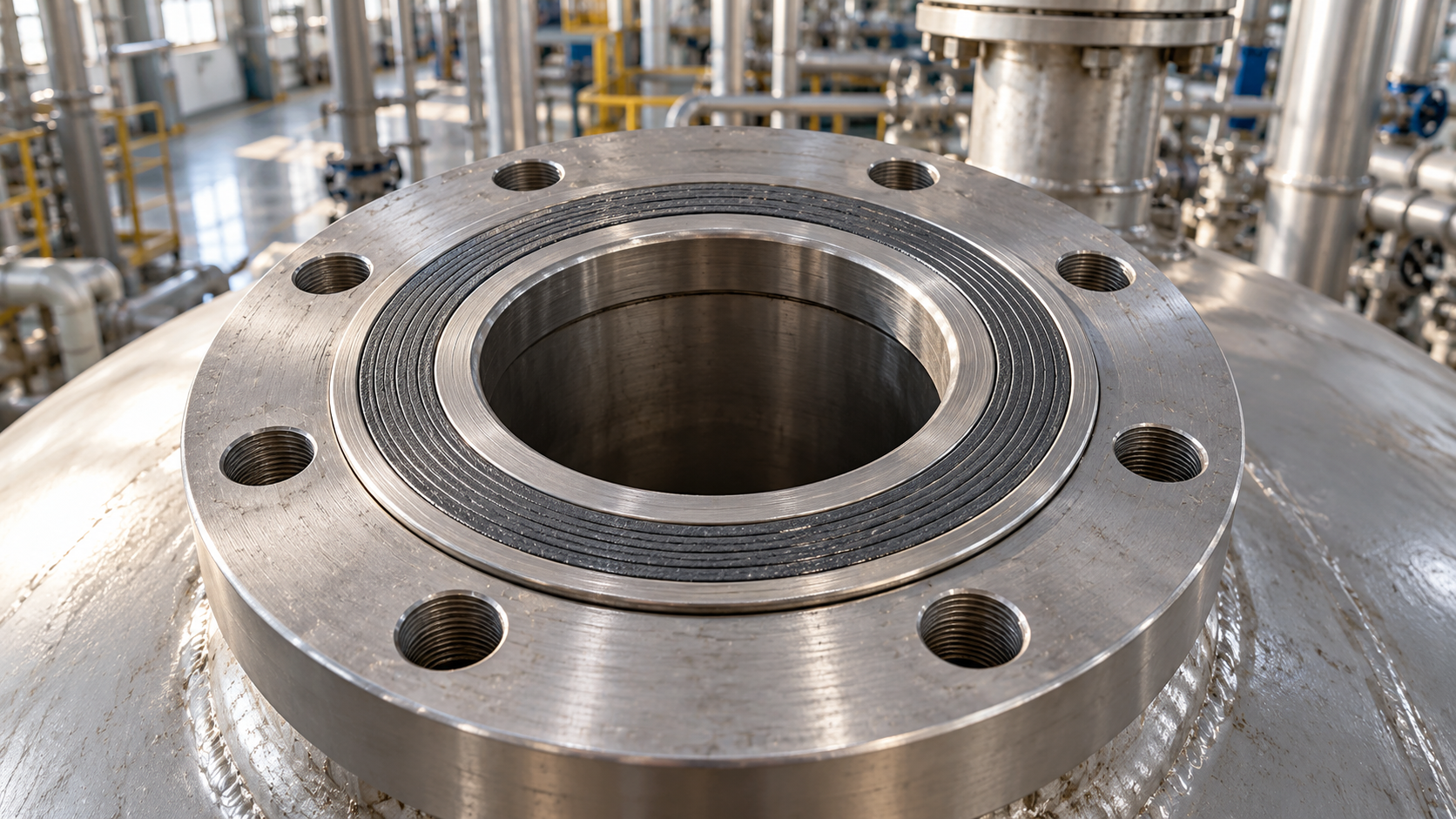
  • Choosing spiral wound gaskets for pressure vessels in H2S service
    Choosing spiral wound gaskets for pressure vessels in H2S service
    Choosing pressure vessel gaskets? Spiral wound designs need careful H2S evaluation. Explore material compatibility, NACE requirements, and sealing checks before you buy.
  • Should you choose arrangement 2 or 3 for API 682 dual seals?
    Should you choose arrangement 2 or 3 for API 682 dual seals?
    API 682 dual seals: Arrangement 2 or 3? Compare leakage control, barrier-fluid compatibility, and support systems to choose the right seal arrangement for your pump.
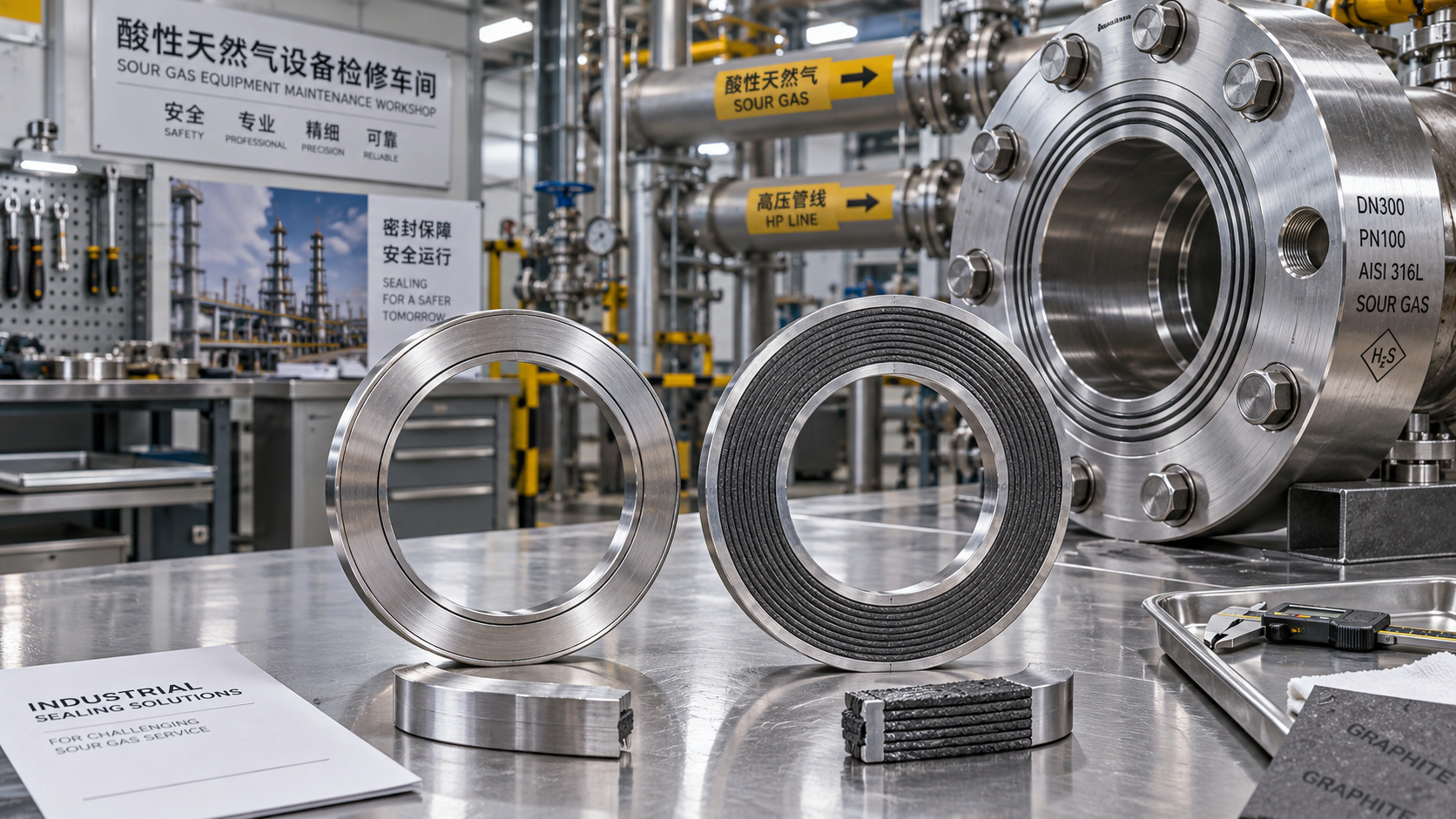
  • Which industrial sealing gaskets are suitable for sour gas service?
    Which industrial sealing gaskets are suitable for sour gas service?
    Choose industrial sealing gaskets for sour gas service with confidence. Compare RTJ, spiral-wound and qualified elastomer options, plus H2S compatibility and selection essentials.

FISS

The Global Industrial Water Treatment & Filtration Systems (IWTS) is a premier intelligence portal dedicated to Reverse Osmosis (RO) desalination, MBR bioreactors, MVR evaporation crystallization, and hyper-gravity centrifugal dewatering.

Quick Links

  • 

    Home

  • 

    News

  • 

    About

  • 

    Contact Us

  • 

    Resources

  • 

    Privacy Policy

Industry News

  • 

    Intelligence Dimension

  • 

    Mechanical & Fluid Seals

  • 

    FKM/FFKM Elastomers

  • 

    Engine Gaskets & Barriers

  • 

    Oil & Gas Flange Sealing

  • 

    Vulcanization Machinery

Newsletter

Get daily trade updates delivered to your inbox.

Submit
© 2026Global Fluid Isolation & Sealing Systems

Site Index

